How to Store Seasonal Decorations Without Breakage or Mystery Boxes
Pack ornaments, lights, wreaths and outdoor decorations by zone, with a safe inspection step and a retrieval plan for next season.
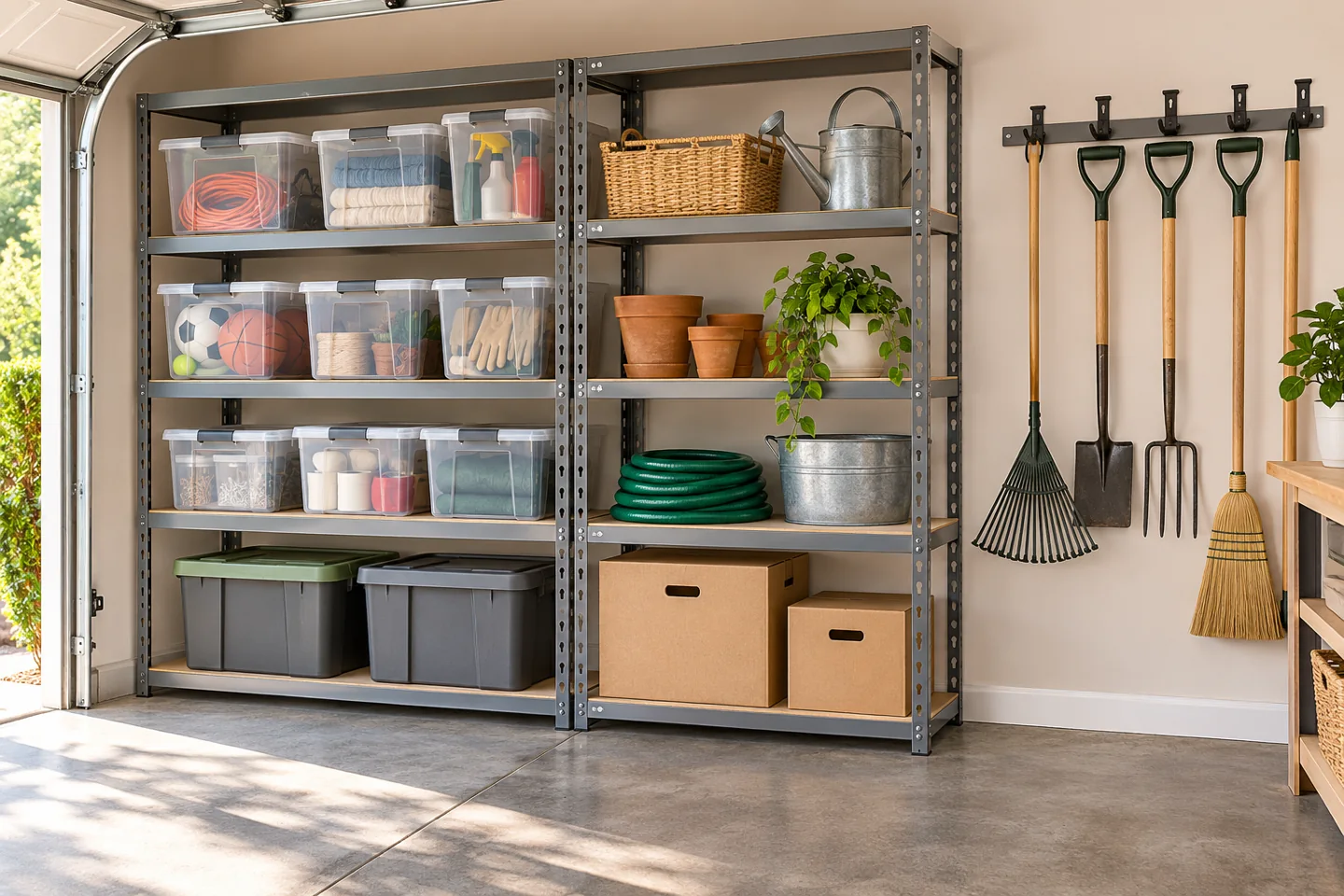
Store decorations in the order you will need them next year. Photograph each finished area, inspect electrical items as you remove them, pack by room or display zone and label every container on two sides. The result is safer than tangling everything into one holiday category and faster to unpack than a set of mystery bins.
Inspect before an item earns storage space
Unplug lights and let hot components cool. NFPA says to replace light strings with worn or broken cords or loose bulb connections and to follow the manufacturer’s limit for connected strands. CPSC likewise advises discarding sets with broken sockets or frayed wires and using products appropriate for indoor or outdoor service. Storage does not repair damage; tag and remove a defective set now so nobody plugs it in next season.
Remove batteries from decorations unless the manufacturer explicitly directs otherwise. Look for corrosion, swollen cells and damaged battery compartments, and follow local battery-disposal rules. Clean and dry outdoor items completely. Discard cracked glass, sharp broken ornaments and recalled products through the appropriate channel.
Pack by material, then by destination
| Item | Useful packing method | Avoid |
|---|---|---|
| String lights | Loose figure-eight around a reel or sturdy card, with plug ends accessible | Tight coils that kink wire at sockets |
| Glass ornaments | Individual tissue or dividers inside a rigid, shallow box | Heavy items above fragile ones |
| Wreaths and garlands | Supported container with hooks and bows uncompressed | Sealed storage while foliage is damp |
| Textiles | Laundered and completely dry, folded with acid-free tissue when appropriate | Food stains that attract pests |
| Outdoor stakes and clips | Small labeled parts pouch stored with the matching decoration | Loose sharp stakes in a fabric bag |
Within each material group, pack by where it goes: front door, mantel, dining table, exterior roofline or tree. Put a small photo and a contents card inside the lid, then label the short and long side. A number such as “Winter 3 of 7” reveals a missing tote before it reaches the attic.
Choose containers for the storage environment
Rigid latching bins protect against crushing and make shelves predictable. A gasketed bin can reduce dust and moisture exchange, but it is not a flood safe and can trap moisture already inside. Fabric bags suit soft wreaths or artificial greenery in a dry indoor closet, yet offer less pest and impact protection. See our clear-bin comparison for exact exterior and interior dimensions.
Avoid attics that exceed product temperature limits and damp basement floors. Keep containers on stable shelving, with heavy trees and stands low. Do not stack above the bin or rack rating. Our garage-shelving guide explains why a rack’s wheel configuration can change its capacity.
Create a first-out kit
Pack the items needed before decorating in one clearly marked container: tested extension equipment, approved clips, spare parts, timer instructions and the layout photos. Store the tree stand where it cannot puncture other boxes. Put the last decorations removed at the bottom only if they will also be the last needed next year.
Make the inventory simple enough to maintain: container number, destination and three or four major contents. Update it when an item is discarded or added. When unpacking next season, inspect wiring again; damage can occur in storage. Keep decorations away from heat sources during use, do not block doors or windows, and test smoke alarms as NFPA recommends for holiday gatherings.
Useful question
Should batteries stay inside seasonal decorations?
Usually no: remove them before long storage to reduce leakage risk, unless the product instructions require another procedure. Store and dispose of batteries according to their type and local rules.